Mapping the Way showcases traditional Native lands
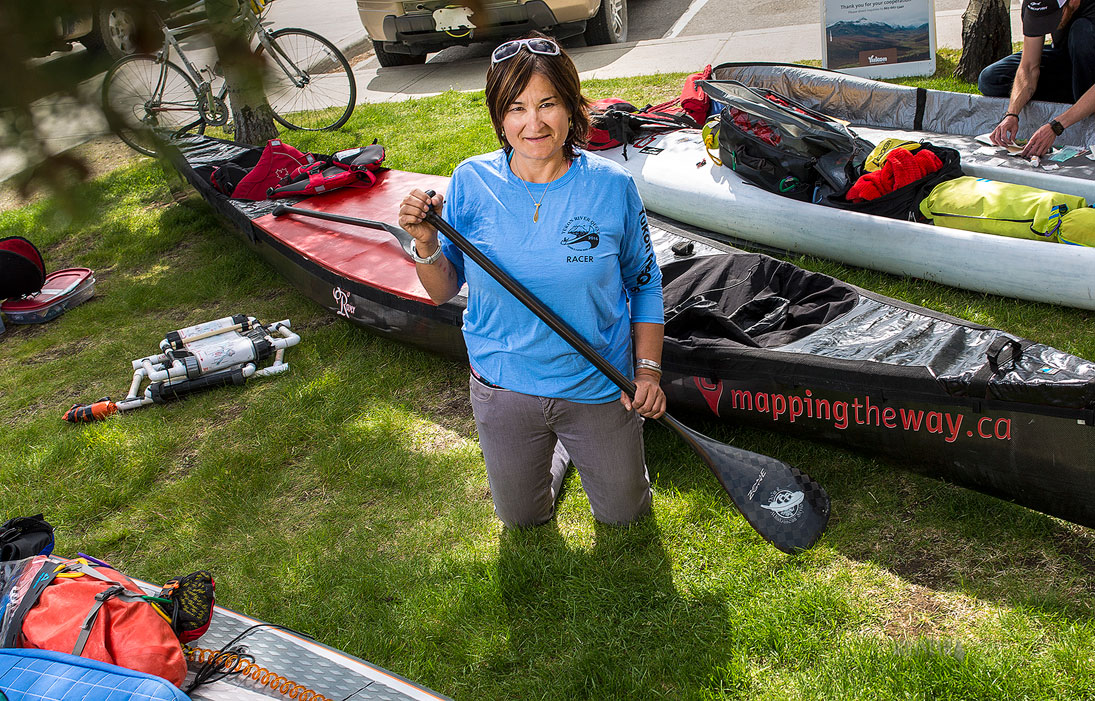
Pauline Frost scouts a shady spot on the grass.
By Marissa Tiel on June 29, 2016
Pauline Frost scouts a shady spot on the grass. She pulls the sleeve off her carbon-fibre tandem canoe, plops down a pyramid of paddles and spreads out the gear she and Nichole McDonald will carry down the Yukon River when they start the Yukon River Quest.
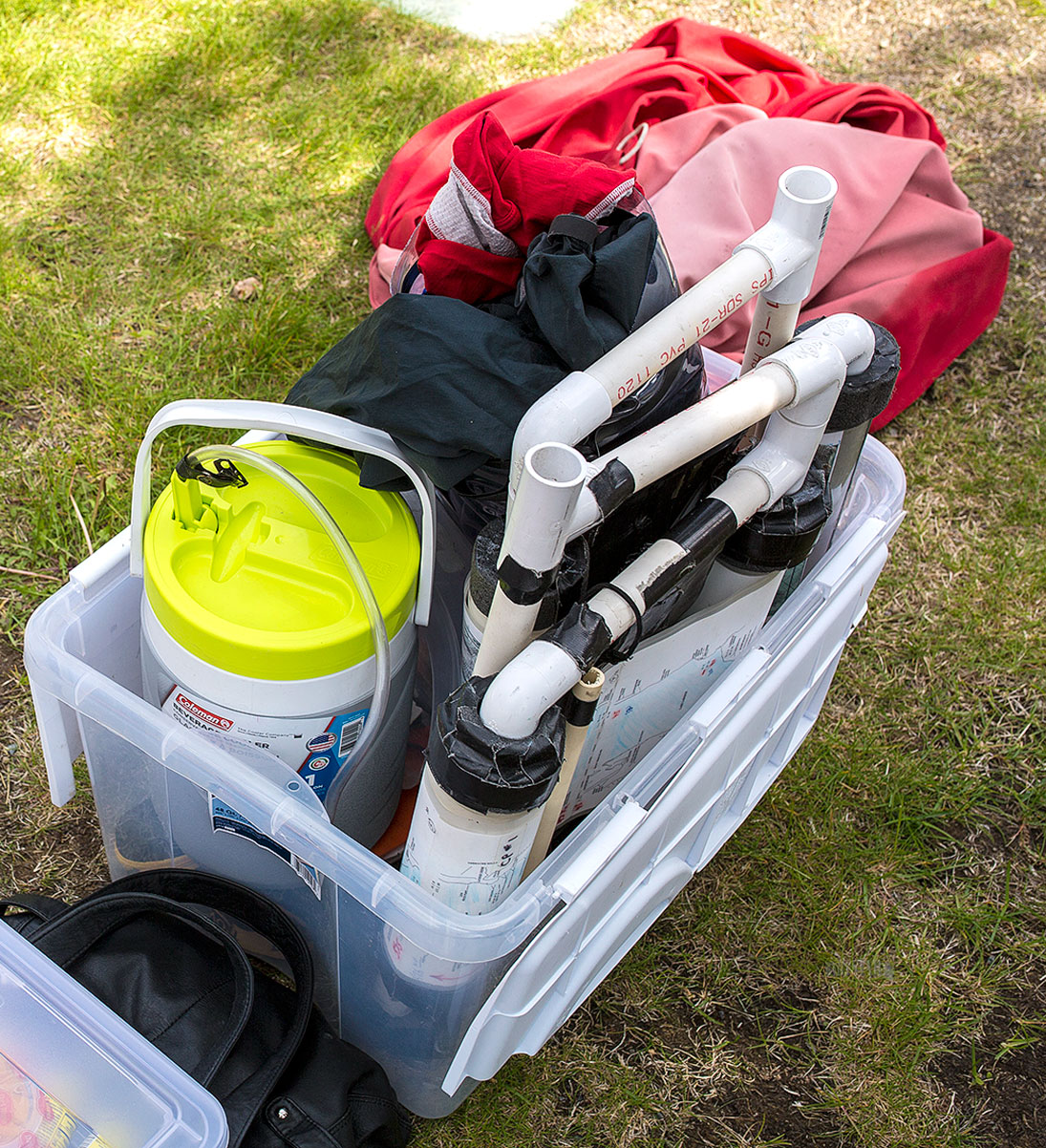
A safety vested race marshall soon comes over to check their gear and gaggles of other racers linger to check out her 鈥淩olodex鈥� of maps.
Frost, 52, has done the Yukon River Quest a number of times.
鈥淭o be honest, I kind of stopped counting after eight,鈥� she says. Some she鈥檚 finished, some she hasn鈥檛. But the Yukoner definitely has some experience under her belt.
Her maps are detailed and she鈥檚 fashioned a PVC pipe rack to keep the rolls organized for her and McDonald.
While the maps will be an important navigational tool as the duo heads out on the river, it鈥檚 the invisible lines on the map that mean more to Frost.
Their boat name, 鈥渕appingtheway.ca鈥� is a call for awareness of the traditional Native lands in the Yukon.
Nearly half of Canada鈥檚 self-governing First Nations are in the Yukon. Eleven of the 14 lands in the Yukon are self-governing and Frost says the River Quest will travel through seven of them.
鈥淚 wanted to try and promote more awareness on the traditional territories of the Yukon First Nations, the significance and the sacred areas that we cross through,鈥� she says.
She spoke to a patio full of Yukon River Questers at the meet and greet Monday night about the traditional territories.
Yukon land claim negotiations began when Champagne鈥檚 Elijah Smith and Yukon First Nation leaders presented Together Today for our Children Tomorrow, to then-prime minister, Pierre Trudeau in 1973.
In 1993, the government of Canada, the Yukon and the Council of Yukon Indians signed the Umbrella Final agreement, which began the signing of Final and Self-Government Agreements by 11 Yukon First Nations between 1993 and 2005.
The race starts just downstream of the Riverdale bridge, on Kwanlin D眉n First Nation territories. The first mandatory rest stop will be in Carmacks, on Little Salmon/ Carmacks First Nation lands, and will finish in Dawson, Tr鈥檕nd毛k Hw毛ch鈥檌n territories.
鈥淭he race is really sacred,鈥� says Frost. 鈥淚t鈥檚 really quite intense and very difficult to do and so you go mentally to your place of grounding, your place of knowledge.
鈥淕oing through the rivers and just the traditional areas, you can feel the energy. You can feel the energy from the lance and the water and just everything around you ... It鈥檚 so amazing to be connected to the earth.鈥�
She has previously done the race in voyageur and tandem canoes. This will be the first year that she and McDonald have teamed up.
鈥淚 have a new friend and that鈥檚 what it鈥檚 all about,鈥� says Frost. 鈥淪he鈥檚 spent 16 years in Inuvik and that tells you a lot about her connection to the North. That鈥檚 what it is for me, it鈥檚 just building new friendships.鈥�
As Frost is repacking her gear at the inspection Tuesday, a flash of gold peeks out from her neckline. It鈥檚 a gold canoe paddle.
The necklace is a special piece for her as a dear friend who passed away four years ago gave it to her near the river.
鈥淗e made me the paddle and told me I should always wear it in the race and so I wear it because I honour him,鈥� she says. 鈥淗e passed away four years ago and I took his ashes to Dawson in my canoe. I raced him to Dawson and I鈥坧ut his ashes to rest in Dawson.鈥�
Frost and McDonald started the race at noon alongside a couple hundred other paddlers. They will race to the midnight sun and carry the awareness of the traditional territories they travel through.
Be the first to comment